

This one could qualify as archival too, since it was drawn in 2021, but it’s personal work, and not out yet, so instead it’s a peek at the ongoing present, as I rework some of it this morning.
drawing fotozozo personal work quotes the what and the how uncategorized work for hire writing
This one could qualify as archival too, since it was drawn in 2021, but it’s personal work, and not out yet, so instead it’s a peek at the ongoing present, as I rework some of it this morning.

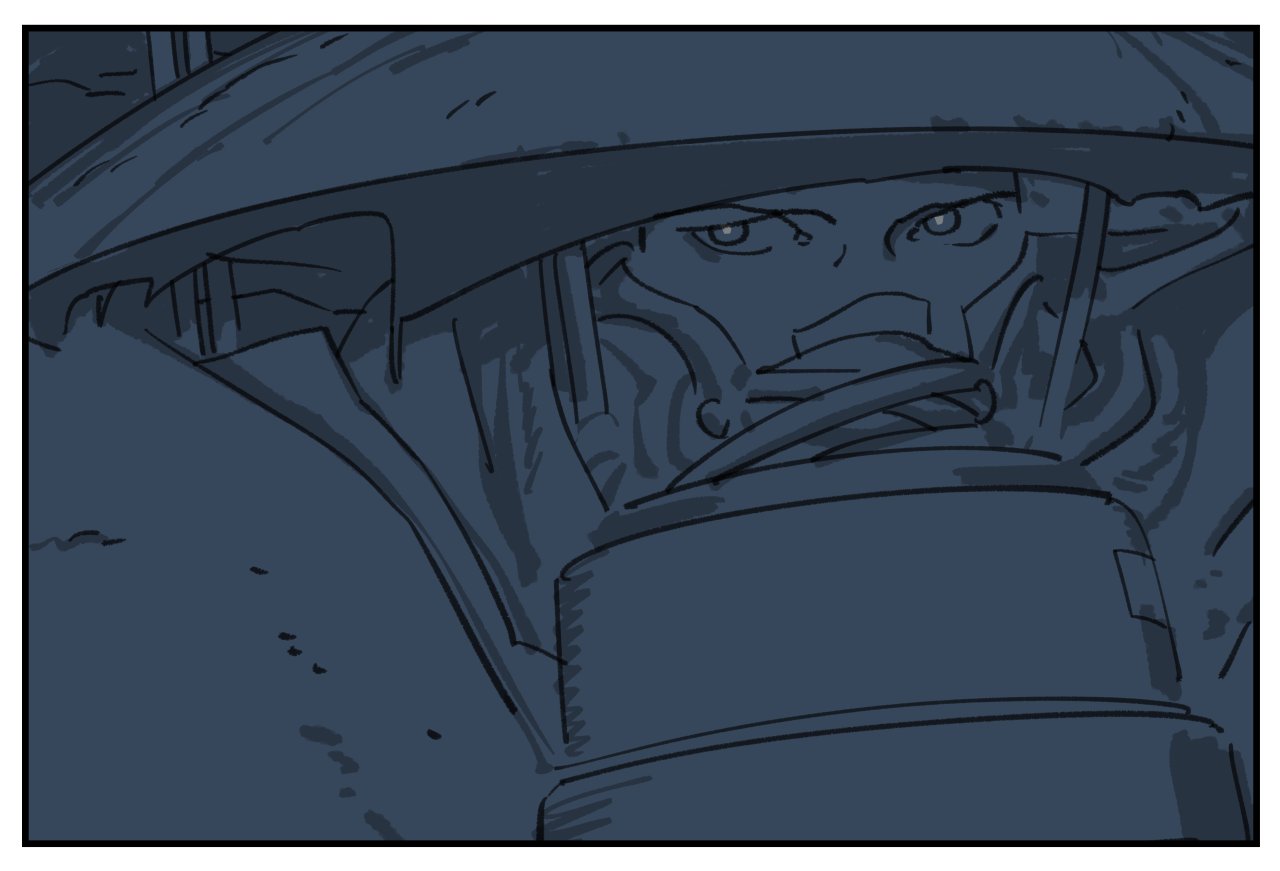
Last year I spent a fun afternoon coming up with some “home-made” costume concepts for an IKEA ad. The idea was that the girl in it progresses from making cardboard outfits as a child to growing up into a career in 3D and VFX. The final commercial mashed together pieces of my other ideas, but these were my favorites as drawings.
(Free Halloween idea, and maybe the green screen one can work in some sort of St. Patrick’s Day scenario too.)

When I set up this new blog six months ago, I made a very conscious effort not to start with a big statement of intent. No manifesto about Why Blogs or I’m Leaving Social Media For Good or anything like that.
I just posted a current thing — a photo I took from the window of a moving car — and then posted a few quotes next, and didn’t make it a big deal in any way. No big plan, no attempts at comprehensiveness. I just needed it to exist without needing it to be anything in particular just yet.
What I was looking for was a better way of being online in some approximation of “real time.”1
Twitter is no longer an acceptable option, if it ever was. Its alternatives, even the good ones, all have the same problems — while they still serve some of the social functions, I need a better way of sharing work and pictures and thoughts in progress at my own pace, with more continuity, more permanence, and more depth (when needed)2.
The blog did already survive the threshold of “two posts, then a three year gap, then an apology for not posting, then death” that most blogs don’t, but now it feels like I do need to decide on -some- approach to it before it sort of peters out.
For artists and creative people, the easiest, go-to model for an “online presence” is to share “process.”
“One common mistake – the belief that to draw a cartoon is to draw someone sillier than oneself – must be avoided at all costs.”
Hayao Miyazaki
from the Porco Rosso director’s statement
“It is high time for writers — and especially true artists — to admit that it is impossible to explain anything.”
Anton Chekhov
(letter to Alexei Suvorin, 1888)


Colored this one while trying out a thing– the other one I already colored a while back. Good activity for bad days.

“Many people (by which I meant me) seem to feel as if they start off each morning in a kind of “productivity debt”, which they must struggle to pay off through the day, in hopes of reaching a zero balance by the time evening comes. Few things feel more basic to my experience of adulthood than this vague sense that I’m falling behind, and need to claw my way back up to some minimum standard of output. It’s as if I need to justify my existence, by staying ‘on top of things’”
Oliver Burkeman
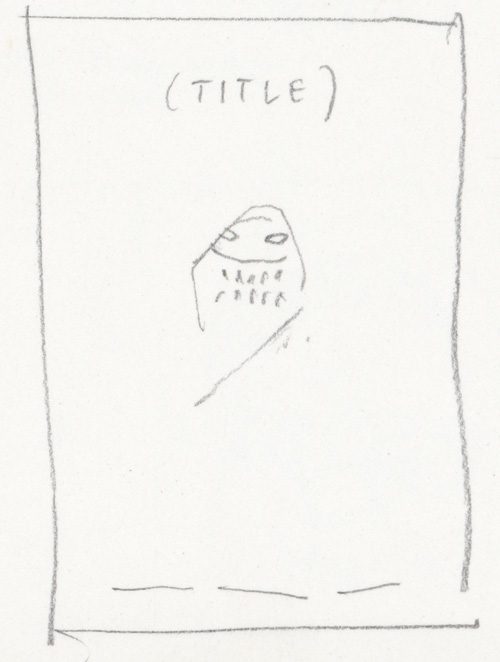
I find myself making strips again, so here’s the first four–


“I don’t linger a lot in self-delusory exercises in control — don’t describe too much or even have to have an objective idea of what a scene is about. My only responsibility to an active imagination is to submit myself to a state of being where characters other than I move around and I try to serve that process. I just get to that — I don’t plan scenes. I don’t outline.
I feel my way along because I have come to believe everything you believe about writing instead of writing is bullshit. It doesn’t apply. You can make an outline but an outline is not going to work because it doesn’t apply to what is actually written.
I am content to work in uncertainty much more than I used to be — content to not know where I am going.”
David Milch

For almost two full years, any “real” work on paper was not an option. Things are slightly less impossible now, so time to give it another try.

edit: now in color (green)
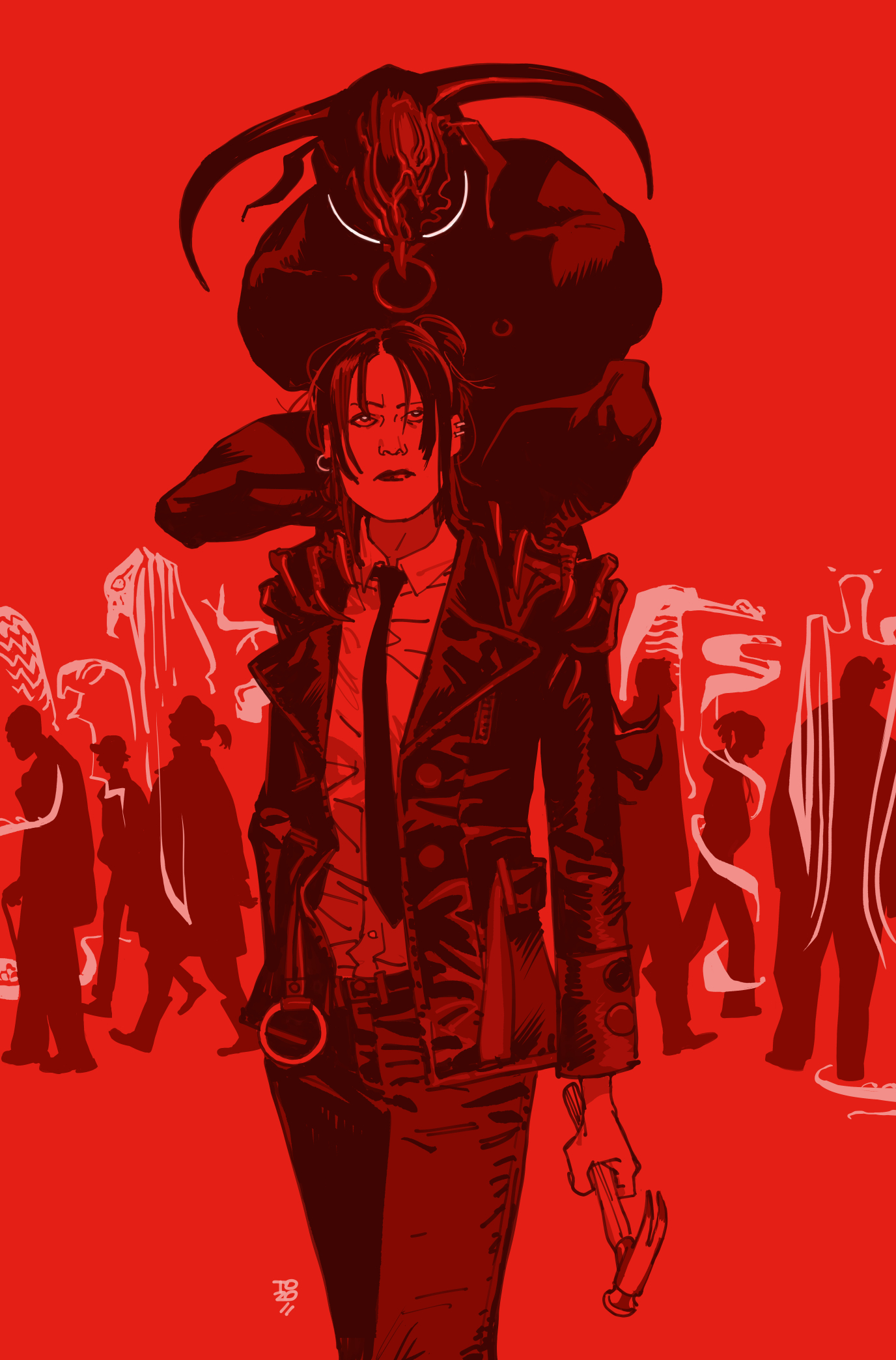
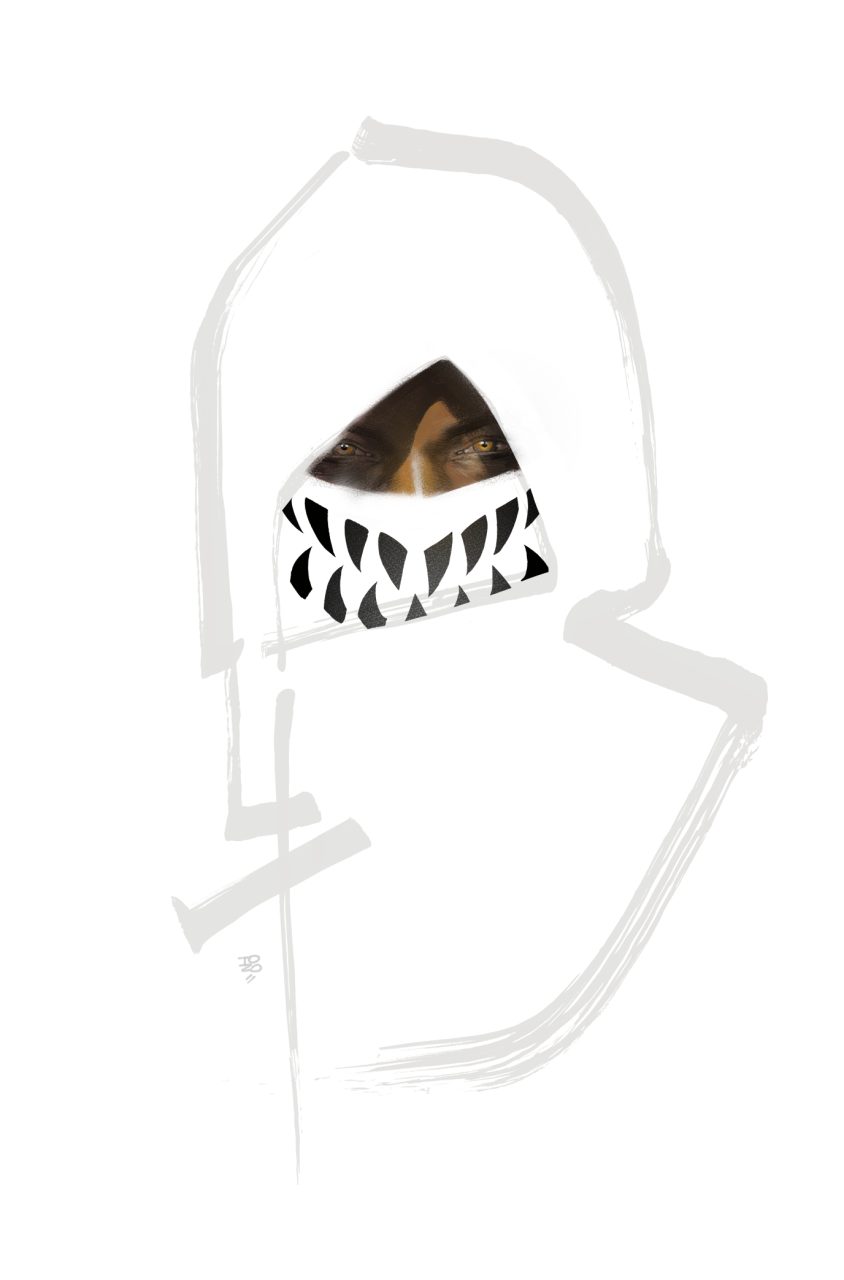
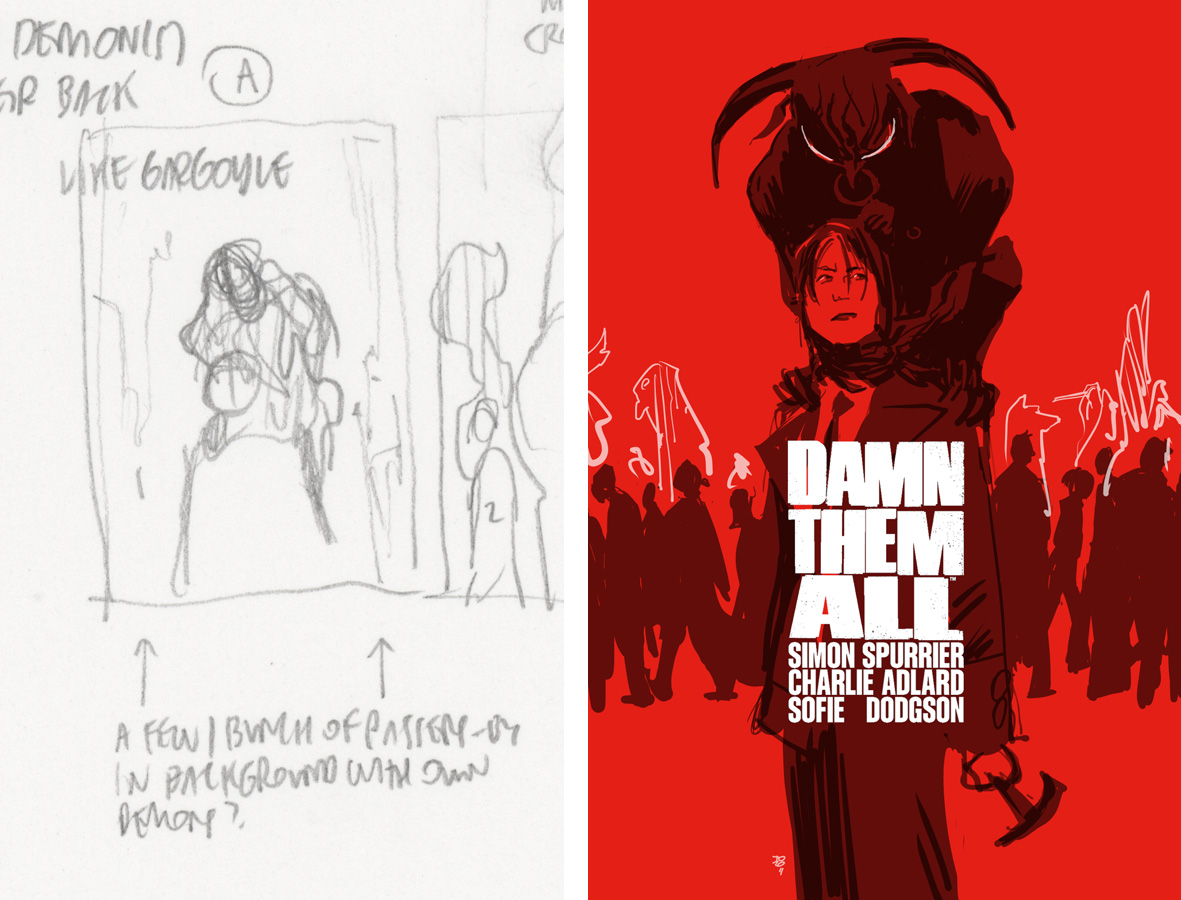
Variant cover for the new Si Spurrier + Charlie Adlard + Sofie Dodgson + Jim Campbell book.
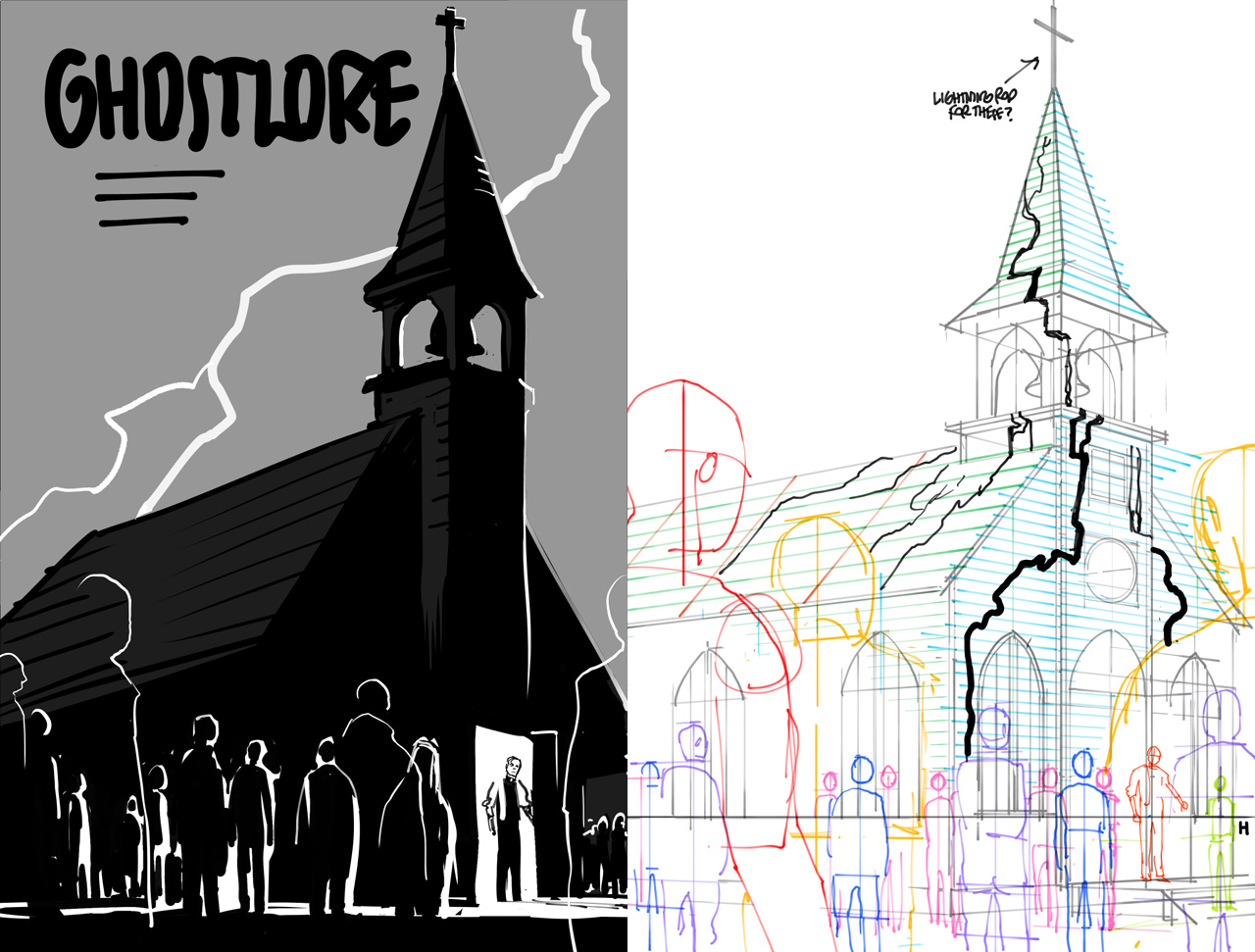
Original thumbnail and rough:

Had to take the time again, but the New Years card is up on the main website— it picks up where we left these folks off last year.
To be continued in two weeks.

“For me, writing a book is not about knowing something and then conveying it. (…) It’s a struggle with something so difficult that it takes all of my resources, and some I didn’t previously know about. Mostly, I don’t know what it’s a struggle with – that’s what I’m trying to find out.”
George Saunders
I feel fraudulent giving advice. I’m a writer narrowly focused on the page in front of me and then the page after that. But maybe that is advice in itself: focus on the page in front of you. That’s what I see in a writer like Toni Morrison. A fierce, unyielding work ethic, focused on the page. She was on a mission from the beginning, to complete this cycle of books and set down her ideas, impressions, and memories, both personal and historical. You can’t distract her from this task. For me, a living example like that was always more useful than “advice”.
Zadie Smith
drawing fotozozo personal work quotes the what and the how uncategorized work for hire writing

